I believe schools and teachers should teach Grade 6 students about A.I. in a simple, practical, and age-appropriate way. They should demonstrate how A.I. works, how it can support learning, and why it is important to check whether the information it provides is correct. Students should be taught how to use A.I. responsibly for research and assignments without relying on it to do all of their work.
Teachers should also explain online safety, privacy, plagiarism and the importance of independent thinking.
Most importantly, schools should encourage students to use A.I. as a learning tool while developing their own creativity, critical-thinking, and problem-solving skills.
As the Mother of a Grade 6 student, I want my daughter to understand that A.I. is a useful tool that can help her learn, solve problems, and explore new ideas; however, I want her to know that A.I. is not always correct, so she should think critically, ask questions, and check information before believing it. She should use A.I. responsibly, honestly, and safely; without allowing it to do all her schoolwork for her.
I want her to protect her personal information, treat others with respect, and remember that her own creativity, intelligence and judgement are valuable.
A.I. should help her learn and grow; not replace her own thinking.
Real Classroom. Real AI. Real Growth.
Built and tested daily in a first grade classroom at St. Paul City Schools.
Helping teachers use AI alongside traditional curriculum to reach every student—without adding more to their plate.
Everything you see here is built inside a real classroom.
Lessons are planned, taught, adjusted, and refined with actual students—not in theory.
The result: practical tools teachers can use immediately.
Classroom-Tested Lessons
Ready-to-use materials designed for real pacing, real behavior, and real differentiation.AI Training for Teachers
Practical sessions focused on what actually works—not just what’s possible.Real-Time Classroom Insights
Strategies and examples pulled directly from daily first grade instruction.
Why This Work Is Different
Most AI in education is shared from outside the classroom.
This work is built from inside one.
Every idea is tested, adjusted, and refined in real time with first grade students.
That means less theory—and more clarity on what actually works.
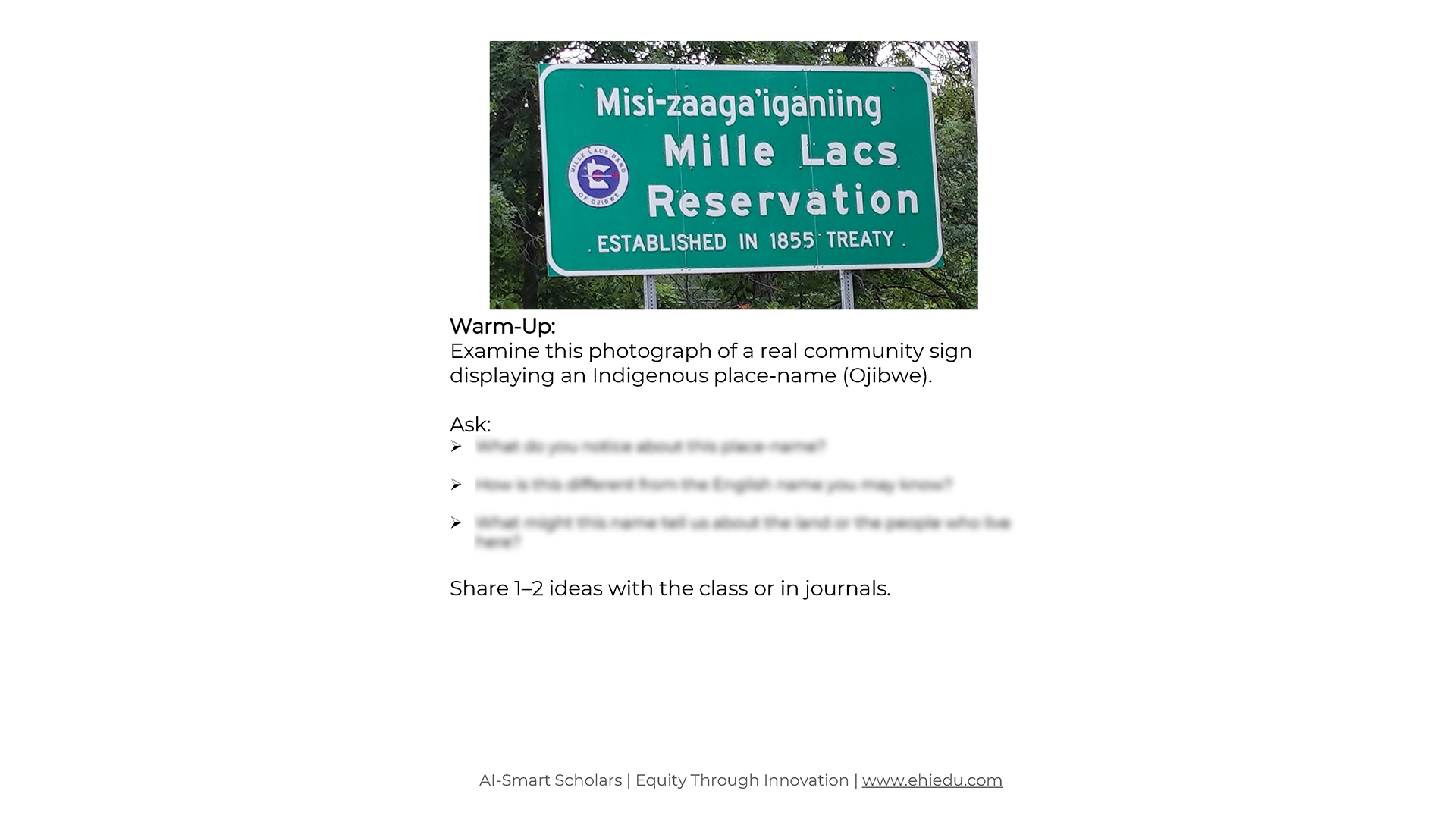
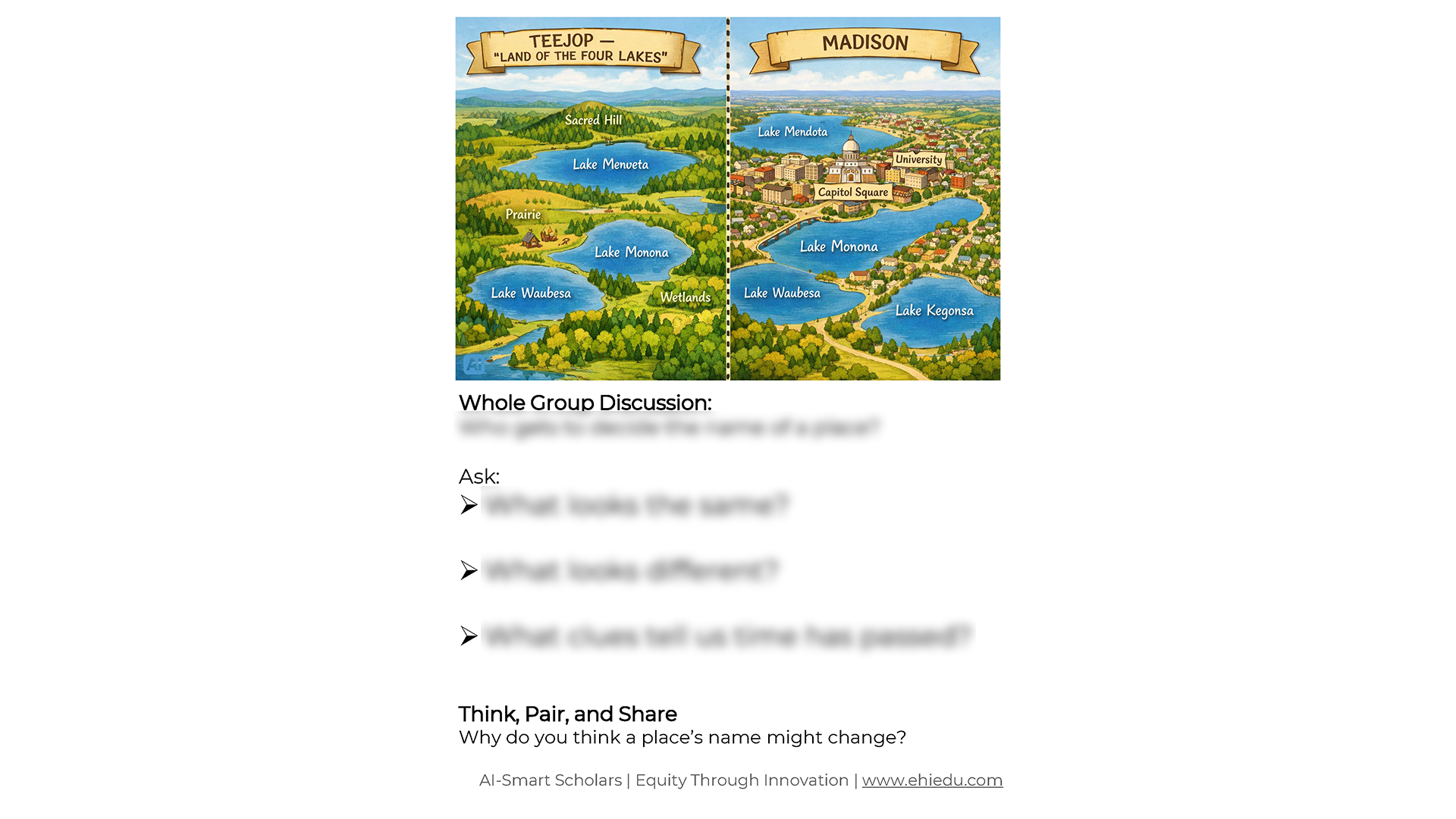
Place-names: what changed—and why
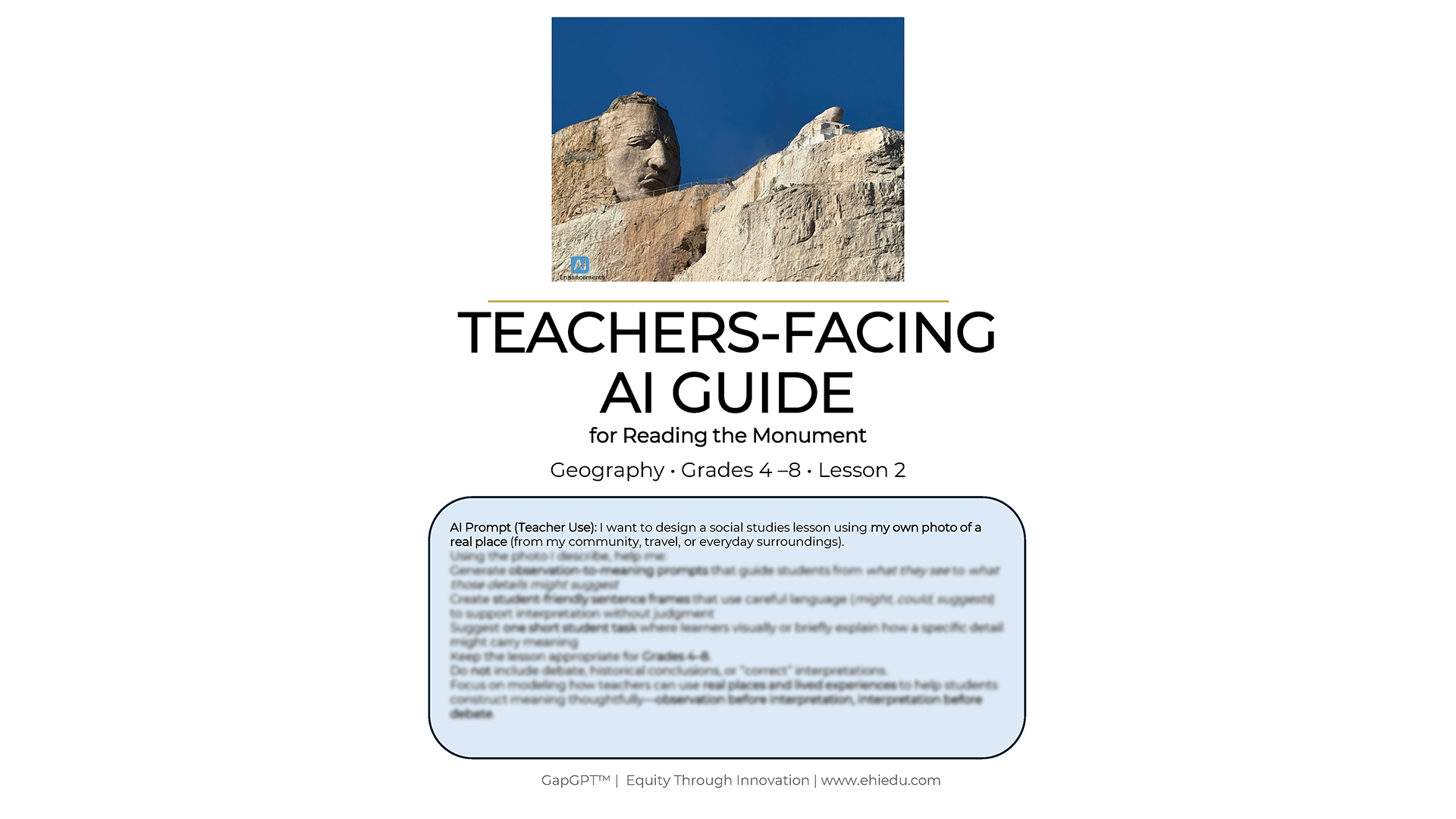
Supports for mixed-level classrooms
Student tasks + teacher guidance